Lotus is an affiliated CYBHI provider for rural schools across Northern California
Youth Rapid Response Team (YRRT)
530-440-6717
Free suicide prevention services for youth and young
adults (ages 5–25) who live in Shasta County.
Why We Created This Program
Shasta County’s ERs are seeing hundreds of young people every year who are struggling with self-harm or suicidal thoughts and behaviors.
On average, there is at least one young person,under the age of 26, that gets put on an involuntary 72-hour hold EVERY DAY.
Like most rural communities, we don’t have enough trained clinicians to meet this demand. With too little resources and options, our youth and families rarely get the type of support that can truly help them effectively navigate crisis situations.
Our team provides same-day services designed to increase safety, along with ongoing stabilization support, decreasing the likelihood of future crises.
What You Can Expect
The YRRT provides same‑day crisis response and ongoing stabilization for adolescents, teens and young adults experiencing significant emotional or behavioral distress related to self‑harm or suicide. Our team works to help prevent crises, support youth during acute episodes, guide them safely through crises, and promote recovery afterward. Because distress often affects the whole family, we use a family‑systems approach and offer a continuum of care delivered across three stages.
Stage 1: Rapid Response
Available 365 days a year, with same-day response.
Access line, 530-440-6717, is open for calls and texts between 7:00 AM – 10:00 PM. Clinician responds immediately if available, otherwise within 3 hours.
Messages received after 10:00 PM are responded to the following morning.
The Lotus Center (TLC), 4352 Caterpillar Rd., offers a safe, comfortable place where help and healing can occur.
If needed, mobile response to the ER or the young person’s school is available. Virtual appointments are offered for those who cannot meet in person.
ANYONE can refer – the youth themselves, families, clinicians, educators, youth-serving agency staff, medical professionals, etc.
We work with local ERs and crisis response teams to ensure the quickest and best support possible.
Stage 2: Assessment and Safety Planning
We use youth-focused, evidence-based screening and assessment tools.
By collaborating with the young person in creating their personal Safety Plan, we help them identify what’s increasing their risk, and come up with ways to stay safe.
Each youth also creates a Wellness Plan, customized to focus on what makes their life more manageable and enjoyable.
Parents and caregivers are provided with the essential skills and tools they need to navigate crises and help keep their children safe at home.
For many young people who can engage in collaborative safety planning, and whose family members can reduce access to lethal means, more restrictive interventions can be avoided.
Stage 3: Ongoing Stabilization Services
No-cost services are provided for up to 3 months.
Weekly or twice-weekly individual crisis counseling is provided by clinicians extensively trained in suicide-focused care for youth.
Our 6-week family group classes, taught by Parent and Youth Coaches, use the evidence-based Wellness Compass curriculum. Class times include evening and weekend options.
Our fun and engaging youth groups focus on eight key aspects of wellness, providing them with the skills and tools to manage stress and increase hope.
Our parent groups offer a supportive space to share experiences, strengthen parenting skills, and build connections so parents know they’re not alone.
Individual youth and parent coaching is available throughout the program.
We also offer fun game nights, arts and crafts, outdoor activities and other health-promoting adventures!
Our Collaborative Approach
Suicide IS NOT an individual challenge; it’s a public health concern.
Thus, preventing suicide is a shared community responsibility that requires addressing a wide range of factors—biological, psychological, social, cultural, structural, educational, environmental, interpersonal, developmental, behavioral, medical, and more.
One agency or program cannot do it all. Our team works closely with many schools, agencies and organizations to help make necessary connections happen.
Whether is’s ongoing therapy or medication, housing support, food assistance, substance‑use treatment options, or other supports, we can help navigate those systems, so you are not trying to do it all on your own!.
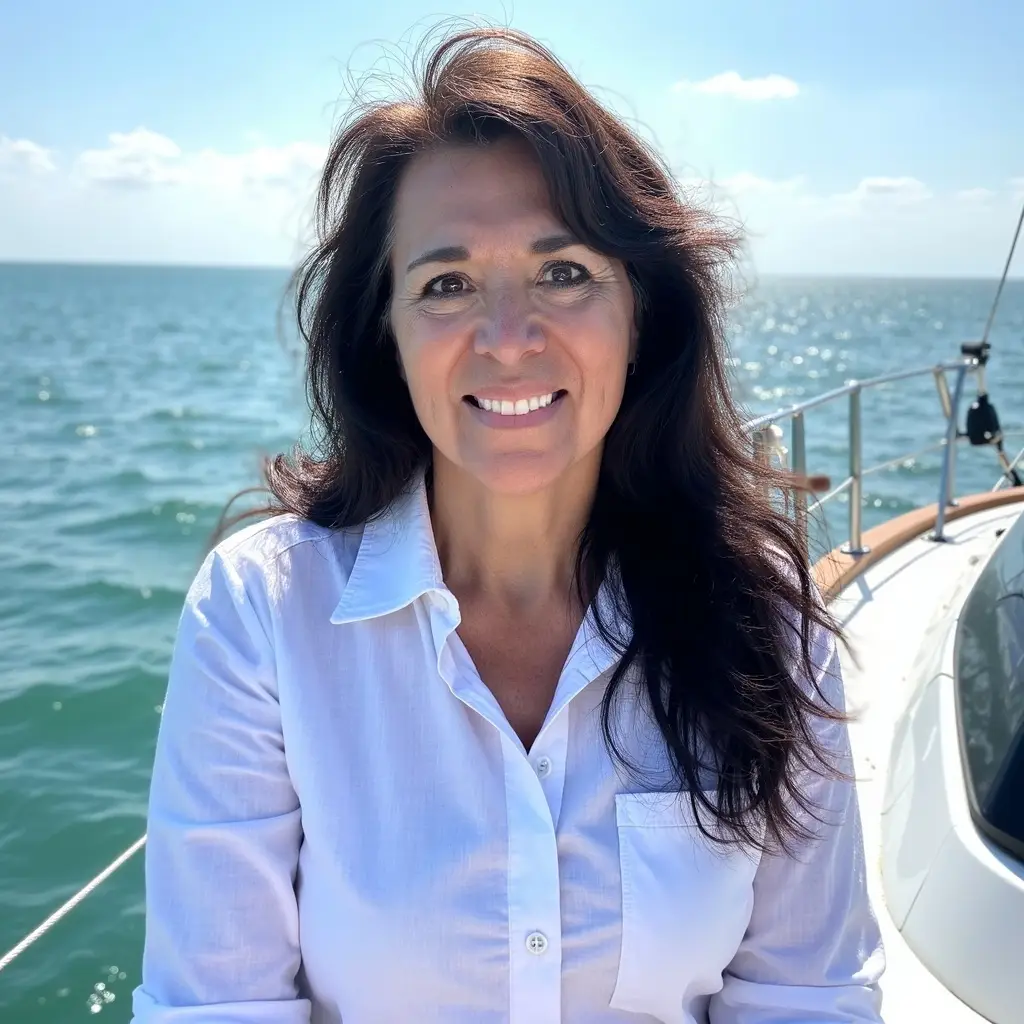
Marcia brings a warm, energetic commitment to supporting young people, drawing on a lifetime of personal and professional experience in mental health, substance use, and suicide awareness. Motivated to do more than improve lives — she’s determined to save them — Marcia helps youth build “lives worth living.” After losing her brother Eric to suicide in 2009, she’s learned from the experts AND people with lived experience, and since founding Lotus Educational Services in 2013 has delivered hundreds of community trainings and countless hours of crisis counseling. This innovative program, the YRRT, is her dream come true — the culmination of over 3 decades of learning how best to bring hope and healing to youth and their families here in Shasta County.
Youth Coach
Jonah Hernandez
Lorem ipsum dolor sit amet, consectetur adipiscing elit. Ut elit tellus, luctus nec ullamcorper mattis, pulvinar dapibus leo. Lorem ipsum dolor sit amet, consectetur adipiscing elit. Ut elit tellus, luctus nec ullamcorper mattis, pulvinar dapibus leo.
Parent Coach
Kasey Hathaway, BSW
Kasey is a Certified Wellness Coach II and social work graduate (B.S.W.) from Cal Poly Humboldt, currently pursuing her M.S.W. with an emphasis on Rural and Indigenous Communities. She supports youth and families through crises—mental health, suicidal ideation, self-harm, substance use, and major life transitions—using trauma-informed, strengths-based methods. Kasey focuses on connection, trust, and resilience, empowering young people and guiding parents/caregivers with practical coaching and compassionate support to strengthen communication and family wellbeing.
How to Access the YRRT
You can reach the YRRT three ways: call, text, or fill out our Google Form.
Call or text: 530-440-6717
7 AM – 10 PM: Calls are answered immediately if a clinician is available. Otherwise, messages will be returned within 3 hours.
10 PM – 7 AM: Text or leave a message. We’ll respond the next morning between 7 AM and 10 AM.